Invisalign From a General Dentist for Braces Treatment Relapse
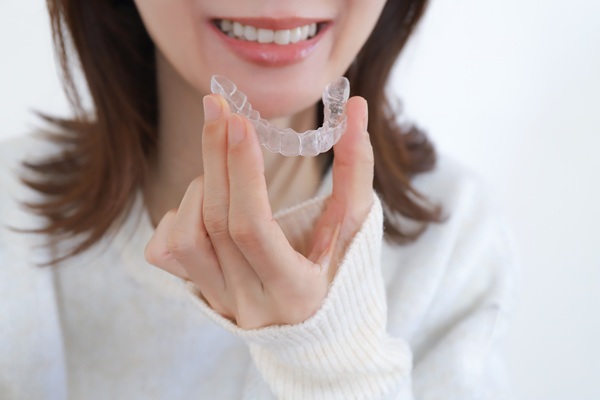
Considering Invisalign® after a tooth relapse? In orthodontics, a tooth relapse occurs when the teeth go back to being crooked after braces treatment. When this happens, it can be easy to want to just ignore it and move on; however, oral health and hygiene are both put back at risk when the teeth are crooked. Instead, general dentists recommend undergoing another round of treatment, but a more mild one, such as Invisalign®. Continue reading to find out what Invisalign® can do for a tooth relapse.
Invisalign® for crooked teeth relapse
Below is an overview of what Invisalign® can do for relapsed crooked teeth. This information should be reviewed by individuals whose teeth have gone back to being crooked after braces treatment.
Understanding crooked teeth relapse
General dentists typically provide a retainer to individuals post-orthodontic therapy; however, not everyone is disciplined with them, which can result in a relapse. Additionally, some people experience an immediate shift that even a retainer cannot prevent. In these cases, another round of treatment is usually required. Most commonly, Invisalign® is recommended, as it addresses the relapse in a way that ensures discreetness.
What Invisalign® can do
Invisalign® is a form of orthodontic therapy that focuses on straightening crooked or crowding teeth. General dentists recommend it for mild to moderate cases that do not require extensive attention. It is the perfect solution for those who have suffered a relapse after undergoing braces treatment.
The treatment process involves digital scans so that the aligners can be custom-made. Then, the dentist can start by providing the patient with the first set in the series. For relapse cases, treatment is usually only required for six months to a year. Every other month or so, the patient will return to the dental office for a new aligner in the series. The dentist will check progress, as well.
Other things to know
When it comes to Invisalign®, it is important to know that the treatment process will not be easy. Invisalign® is said to be flexible; however, the aligners are required to be worn for 22 hours a day. Discipline is key because the results will not be effective if the aligners are not worn for the given time. This can skew the treatment timeline, as well as result in the need for additional aligners to be printed. Of course, they can be taken out for eating and oral hygiene. However, be sure to place the aligners back in immediately afterward.
Find out more from a general dentist
When suffering from crooked teeth relapse, it is best to immediately consult with a general dentist. The dentist can evaluate the case and determine what type of action is needed. Typically, Invisalign® is a good option; however, a consultation will be required. During this appointment, the dentist can answer any questions or address any concerns that arise. To learn more or to get scheduled for a consultation appointment, reach out today.
Request an appointment here: https://mysanjosewillowglendentist.com or call Dental Smiles of Willow Glen at (408) 827-9479 for an appointment in our San Jose office.
Check out what others are saying about our dental services on Yelp: Invisalign in San Jose, CA.
Related Posts
Invisalign® has quickly become one of the most preferred ways to undergo orthodontic treatment, especially for teenagers and adults. Invisalign® offers benefits that cannot be achieved with other treatment methods, which is why general dentists are recommending it as a preferred method. Continue reading to find out more.Below is a quick overview of Invisalign® and why…
For most people, the most exciting day is when they take off the last Invisalign® tray to mark the end of the teeth straightening treatment. However, it can be disheartening to see that stains or discoloration occurred during treatment. Although this can happen with any orthodontic treatment, there are simple and effective ways to prevent…
Waiting until a toothache or other oral health problem is unbearable to seek care often means missing out on the least painful, most cost-effective treatment. A preventive dentist can both catch and treat issues early. And in the best cases, they can stop them from developing in the first place. With the help of these…
When a sports-related collision or fall occurs, an emergency dentist helps protect teeth, gums, and the jawbone from lasting harm. Dental trauma often looks minor at first, yet hidden cracks or nerve injuries may develop quickly. Acting fast supports comfort now and better outcomes later. Knowing what first steps to take can make all the…